Investing in Environmental Stewardship Through Partnerships, Restoration, and Education
At High Real Estate Group, responsible land stewardship is a core part of how we plan, develop, and manage our properties for the long term. Through strategic partnerships, ecological restoration projects, employee training, and community engagement, High is advancing a growing portfolio of environmental initiatives—many of which are launching or expanding throughout 2026.
Together, these efforts reflect a people-centered approach to sustainability: investing in the land while also building knowledge, awareness, and a sense of shared responsibility among employees, partners, and the broader community.
Strategic Partnerships and Internal Expertise
High’s environmental strategy is grounded in collaboration with trusted conservation organizations. A key initiative is our partnership with the Lancaster Conservancy, 12 High Associates Property Services coworkers have completed Conservation Landscaping Crew Training to date. This hands-on program builds practical expertise in native plant management, ecological restoration, and sustainable landscape practices—skills that directly support long-term property stewardship.
To further strengthen this work, High established a new Stormwater Management and Riparian Buffers Specialist position. This dedicated role provides focused oversight of stream corridors, buffers, meadow restorations, and stormwater systems, ensuring projects are designed and managed with long-term ecological performance and resilience in mind.
“Environmental Stewardship at Greenfield has been incredibly rewarding. Our work toward implementing sustainable landscapes, restoring habitats, and improving stream health has led to a noticeable increase in wildlife and pollinators across the area.”- Melissa Tenneson, CBLP, Stormwater Management and Riparian Buffers Specialist, High Associates, Ltd.
Stauffer Run: Restoration, Education, and Community Engagement
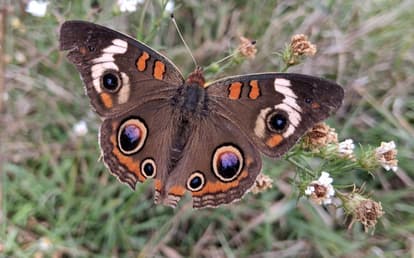
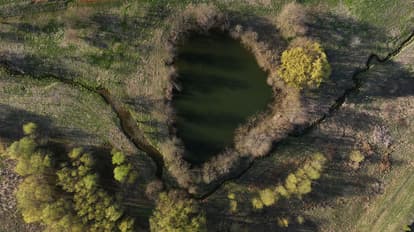
One of High’s most visible restoration efforts to date is taking place along Stauffer Run, where a three-acre meadow restoration is converting lawn into native meadow habitat. This restoration improves water quality, reduces runoff, and creates meaningful habitat for pollinators and wildlife.
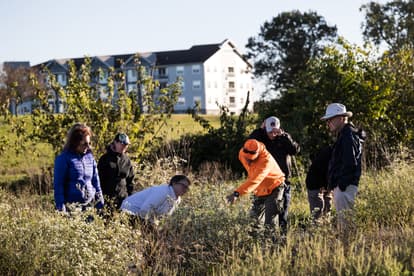
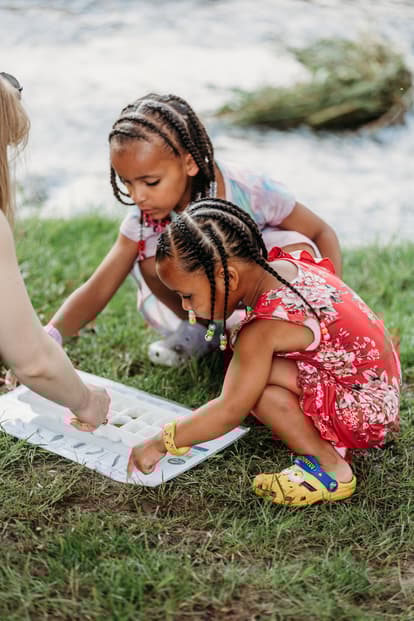
Equally important is how this landscape is being used as a platform for education. At Greenfield, free, monthly environmental programs open to the public are helping translate restoration work into shared community learning. Programming includes creek explorations, meadow walks, nature journaling, and various environmental-themed presentations, welcoming participants of all ages, backgrounds, and levels of experience.
In June, Greenfield will host a Stauffer Run Creek Stomp as part of the Lancaster Conservancy’s Water Week celebration. It will be an interactive, hands-on event designed to bring people into the creek to learn about stream health, aquatic organisms, and watershed protection.
“Our programming in partnership with Greenfield has given us the opportunity to connect with new parts of our community and teach people that nature is all around us. Programs at Greenfield demonstrate that we all need to work together to protect and restore our natural ecology and biodiversity.” - Keith Williams, Vice President of Engagement and Education, Lancaster Conservancy
Future plans include formal stream health monitoring, including water quality and macroinvertebrate sampling, with the Water Quality Volunteer Coalition.
Expanding Buffers and Native Plantings
In partnership with the Alliance for the Chesapeake Bay, High has expanded riparian buffers that support regional water quality goals and habitat connectivity:
- Ben Franklin Boulevard: Approximately 4.3 acres planted with more than 1,100 native trees and shrubs, integrated with adjacent meadow restoration.
- Calvin G. High Pavilion: An extension of an existing buffer with 0.5 acres and 150 additional native trees.
Across High Associates managed properties, native gardens, green mulching practices, and invasive species removal are increasingly incorporated into landscape plans to improve soil health, reduce maintenance impacts, and enhance ecological value.
Wildlife Conservation and Biodiversity Monitoring
High’s environmental initiatives also include targeted wildlife conservation efforts such as the Bluebird Project, kestrel (falcon) box installations throughout Greenfield, and a barn owl nesting box, implemented in partnership with Hawk Mountain Sanctuary.
As restored areas mature, High is investing in biodiversity monitoring and citizen science initiatives, including bird surveys, insect counts in meadows, participation in a Breeding Bird Atlas, and exploration of a Migrating Duck Restoration Project with the Delta Waterfowl Foundation.
Expanding Education Through Interpretive Signage
To complement on-the-ground restoration work, new informational and educational signage will be installed throughout the park and restoration areas in 2026. These signs will help explain meadow restoration, riparian buffers, wildlife habitat, and stormwater management efforts. All of this will reinforce transparency, learning, and shared stewardship for all who live, work, and visit High’s properties.
Looking Forward
These initiatives represent a growing, integrated commitment to environmental leadership,—one that balances ecological responsibility with thoughtful development and human experience.
“The Conservancy is proud to partner with Greenfield, High companies, and the High Foundation to nurture the landscapes we love, ensuring they thrive for generations yet to come.” - Fritz Schroeder, President & CEO, Lancaster Conservancy
With additional restoration and education projects planned, High Real Estate Group will continue investing in landscapes that are resilient, educational, and meaningful to the communities they serve.